The Myth of "Educational" Captivity: Why Dolphins in Belgian Dolphinariums Suffer, Not Teach
Belgium, a nation known for its commitment to progress and animal welfare, finds itself at the heart of a contentious debate surrounding the continued presence of captive dolphins. While European legislation generally prohibits the commercial exploitation of marine mammals, a significant loophole exists for facilities claiming "scientific or educational purposes." However, a growing chorus of animal rights groups, scientists, and concerned citizens argues that this exception is fundamentally flawed when it comes to dolphins. The reality of
dolphin captivity in Belgium and elsewhere, they contend, so profoundly alters these magnificent creatures that any genuine educational value is not only lost but actively subverted.
The Stark Reality: Wild Wonders vs. Chlorinated Confinement
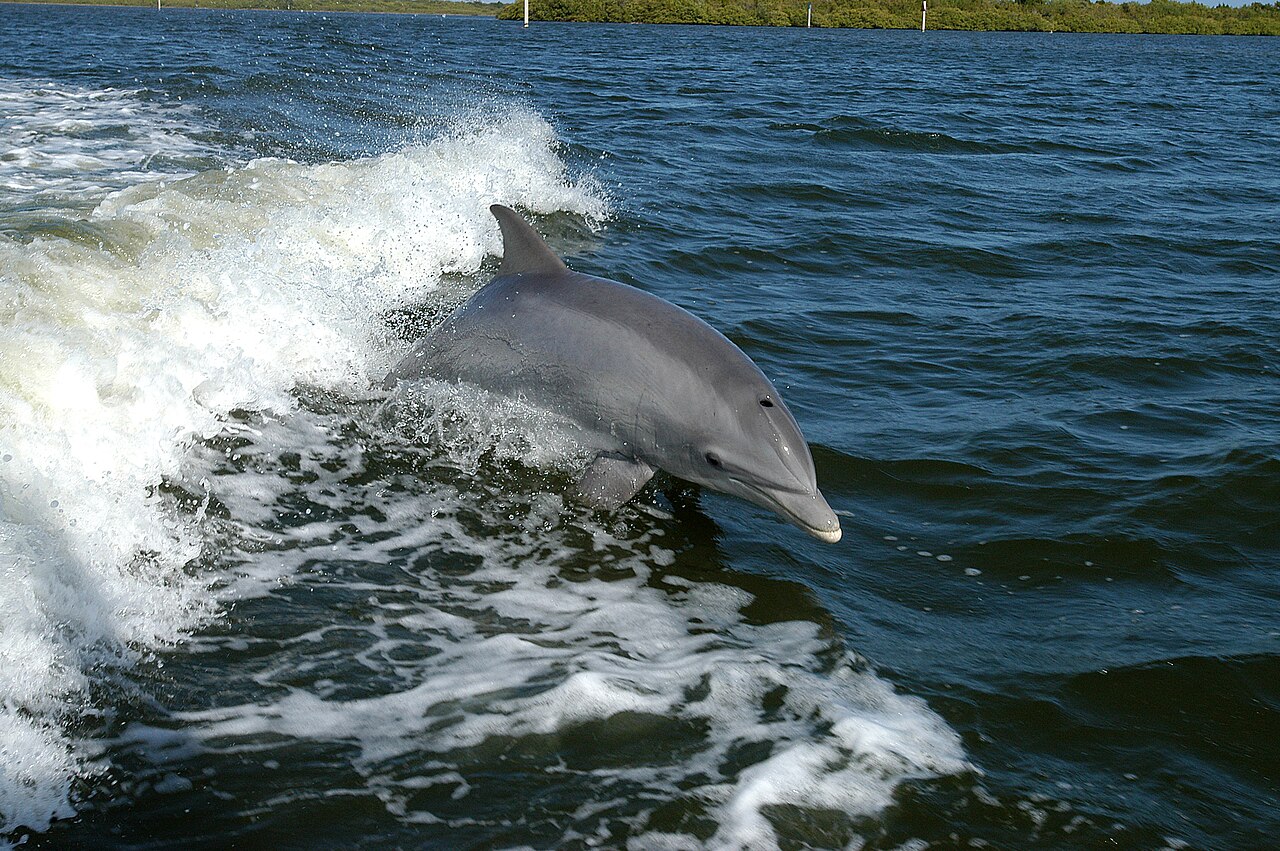
To understand why the concept of "educational" captivity for dolphins is so deeply problematic, one must first grasp the stark contrast between a dolphin's natural existence and its life in a concrete tank. In the wild, dolphins are apex predators of the ocean, traversing hundreds of kilometers every single day. Their lives are a complex tapestry woven with intricate social bonds, sophisticated hunting strategies, and a constant, dynamic interaction with a vast, ever-changing marine environment. They live in multi-generational family pods, communicate through an elaborate array of clicks and whistles, and exhibit remarkable intelligence and emotional depth.
When these highly evolved beings are confined, their world shrinks to a sterile, chlorinated pool. The very essence of their natural existence is stripped away:
* **Vastness vs. Confinement:** Instead of endless ocean, they face repetitive laps around a small, artificial environment, often leading to abnormal, compulsive behaviors known as stereotypies.
* **Complex Social Structures vs. Artificial Groupings:** Ripped from their natal pods, they are frequently placed with unrelated individuals, leading to stress, aggression, and the inability to form natural social hierarchies.
* **Instinctive Hunting vs. Begging for Food:** The intricate dance of hunting, echolocation, and cooperative strategy is reduced to performing tricks for a reward of dead, frozen fish – a profound suppression of their most fundamental instincts.
* **Natural Environment vs. Artificiality:** The sensory richness of the ocean – varying depths, currents, diverse marine life, and natural soundscapes – is replaced by stagnant water, uniform walls, and human-generated noise.
How, then, can observing an animal whose natural instincts are suppressed, whose social life is disrupted, and whose physical environment is profoundly limited, truly educate anyone about its species? The image presented is a distorted, artificial caricature, teaching subservience and unnatural behaviour rather than fostering a genuine appreciation for the wild dolphin. This is the core message behind protests like the one organized by Free Dolphins Belgium near the Atomium, where activists visually represented their call for "FREEDOM" and highlighted the plight of the country's last six captive dolphins. For more on this critical event, read about the
Brussels Protest: The Fight to Free Belgium's Last 6 Dolphins.
Challenging the EU's "Educational" Exception for Captive Dolphins in Belgium
The EU legislation's exception for "scientific or educational purposes" is the lynchpin allowing dolphinariums in member states, including Belgium, to continue operating. However, this interpretation is increasingly being scrutinized and challenged. True education, particularly concerning highly intelligent and social animals like dolphins, should inspire respect, foster understanding of their natural habitats, and promote conservation efforts.
What does "education" in a typical dolphinarium often entail? It typically involves:
* Observing dolphins performing acrobatic tricks, often far removed from any natural behavior.
* Short, superficial facts delivered during shows, frequently overlooking the complex needs and suffering of the animals.
* An environment that normalizes the confinement of wild animals for human entertainment.
Critics argue that this model of education is not only inadequate but counterproductive. It fails to convey the true majesty and intricate lives of dolphins. Instead, it subtly teaches that it is acceptable to exploit animals for our amusement, undermining vital conservation messages. A genuinely educational experience about dolphins would focus on their wild populations, the threats they face (pollution, overfishing, climate change), and the crucial role they play in marine ecosystems. It would instill a desire to protect them in their natural homes, not merely to observe them in an artificial one. The ongoing debate surrounding this legal loophole underscores the urgent need to re-evaluate what truly constitutes "educational" in the context of
captivité dauphins belgique.
The Psychological and Physical Toll of Confinement
Beyond the philosophical arguments about educational value, there are profound ethical considerations regarding the well-being of the dolphins themselves. Life in captivity takes a severe psychological and physical toll:
* **Stress and Stereotypies:** Confined dolphins often exhibit repetitive, abnormal behaviors such as continually circling, gnawing on tank walls, or floating listlessly. These "stereotypies" are widely recognized by animal behaviorists as indicators of stress, boredom, and frustration.
* **Health Issues:** Chlorinated water can cause severe skin and eye irritation. The lack of natural stimuli and movement can lead to muscle atrophy and digestive problems. Dental issues are common from chewing on tank walls or the unnatural diet of frozen fish.
* **Reduced Lifespan:** While some captive dolphins may live for many years, their average lifespan is often shorter than their wild counterparts, and they are susceptible to a range of illnesses not typically seen in the ocean.
* **Forced Breeding and Separation:** Captive breeding programs, often lauded as conservation efforts, frequently involve separating calves from their mothers or transferring individuals between facilities, further disrupting their vital social bonds.
Can an animal suffering from chronic stress, exhibiting abnormal behaviors, and experiencing physical ailments truly be a positive ambassador for its species? The message conveyed is not one of respect for nature, but rather a tacit endorsement of systems that prioritize entertainment over animal welfare. The concept of
captivité dauphins belgique raises serious questions about the ethics of using sentient beings in this manner.
Ethical Alternatives: Promoting True Understanding and Conservation
Fortunately, there are numerous ethical and genuinely educational alternatives to dolphinariums that offer a far superior way to learn about and appreciate these incredible marine mammals:
* **High-Quality Documentaries and Virtual Reality:** Immersive documentaries, such as those from BBC Earth or National Geographic, transport viewers into the dolphins' natural habitats, showcasing their true behaviors, social structures, and intelligence without causing harm. Virtual reality experiences can offer even more interactive and close-up encounters, replicating the awe of being with wild dolphins.
* **Responsible Whale and Dolphin Watching:** Observing wild populations in their natural environment, when conducted ethically and by licensed operators who adhere to strict guidelines (maintaining distance, not interfering with behavior, limiting observation time), provides an authentic and awe-inspiring educational experience. It fosters respect for their wildness and the ecosystems they inhabit.
* **Accredited Marine Sanctuaries:** True marine sanctuaries, distinct from traditional dolphinariums, provide retired or rescued marine mammals with vast, natural sea enclosures where they can live out their lives in a more naturalistic setting. These facilities prioritize the animals' welfare and can offer educational programs focused on rehabilitation, conservation, and understanding natural behaviors in a more appropriate context.
* **Interactive Educational Programs:** Museums, science centers, and educational charities often offer engaging programs, exhibits, and expert lectures that delve into marine biology, conservation, and the complex lives of dolphins, using accurate scientific information and ethical representations.
These alternatives not only avoid the ethical pitfalls of
captivité dauphins belgique but also provide a richer, more accurate, and ultimately more impactful educational experience that truly promotes understanding and inspires conservation action.
Practical Steps for a Dolphin-Friendly Belgium
For those who believe that the time has come to end dolphin captivity in Belgium for "educational" purposes, there are concrete steps you can take:
* **Educate Yourself and Others:** Share information about the realities of dolphin captivity. Challenge misconceptions and promote ethical alternatives.
* **Support Advocacy Groups:** Organizations like Free Dolphins Belgium are actively campaigning to protect these animals. Financial contributions, volunteering, or simply amplifying their message can make a significant difference.
* **Boycott Dolphinariums:** The most direct way to effect change is to withdraw financial support from facilities that hold dolphins captive. Choose ethical tourism and entertainment options instead.
* **Contact Your Representatives:** Write to your local and national government officials, urging them to review and strengthen legislation regarding marine mammal captivity, closing the "educational" loophole.
* **Sign Petitions:** Support online petitions and campaigns calling for an end to dolphin captivity and the rehoming of Belgium's remaining dolphins to sanctuaries.
Conclusion
The argument that dolphin captivity in Belgium serves a genuine "educational" purpose is increasingly difficult to uphold in the face of scientific understanding and ethical considerations. Confining these highly intelligent, social, and wide-ranging creatures in artificial environments strips them of their natural behaviors, causes significant stress, and presents a distorted image that can hardly be called educational. True education about dolphins fosters respect for their wild nature, promotes understanding of their complex lives in their natural habitats, and inspires active conservation efforts. It is time for Belgium to align its practices with its values, move beyond the outdated model of
captivité dauphins belgique, and embrace ethical, authentic ways to engage with and protect these magnificent marine animals.